Thursday, December 20, 2007

Slot Car 101 - setting the braids

The second in a series of articles aimed at newbie slotters...

Now that the car is lubed properly it's time to fatten those braids just a bit. Braids as they come out of the box are smooth, flat, but a bit too flat. Not only does a car need oil but it needs to have the braids set before you race the car.Here you see a pair of AutoArt guides complete with braids. The guides were removed for a previous article but they show how the braids generally look when they come out of the box. To make good contact with the rails on the track you need to fatten them up.
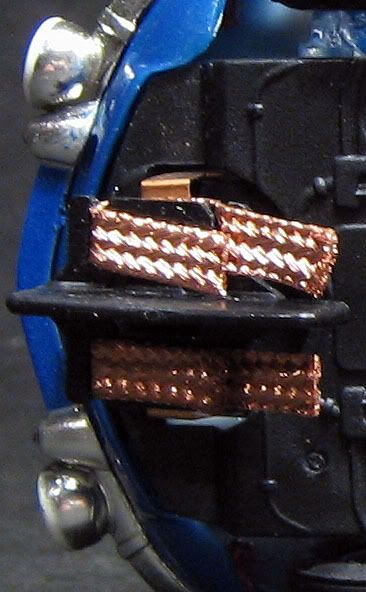
You can do this by holding pushing them back (towards where they are inserted into the guide) just until you see the strands of copper separate just a bit. After you do this smooth them down so they are flatter again. Depending on the track you use you may want to spread them apart a bit or set them tightly against the sides of the guide blade.

The car on the left is an SCX Renault. I put it here to show the SCX style of guide/braids. They use a double contact braid system that doesn't need to be fattened as much, but does need to be smoothed down a bit so the front wheels hit the track. These braids aren't held in by the eyelets you see on the AutoArt braids, but the SCX braids are slid into place on the guide on the sides and they wrap around the top of the guide where they make contact with the metal tabs that take the power to the motor. After lots of heavy racing (and crashing BTW) these braids can slide out a bit.

Keeping an eye on the braids and keeping them making good contact will ensure that your car runs well. While you're running your cars it's pretty easy for the braids to get dirty and out of shape. If you notice the car feeling like it's sputtering check that the braids are flat.

Dave K

Wednesday, December 19, 2007

SCX Compact - some impressions

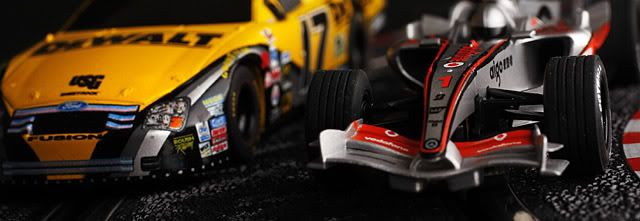
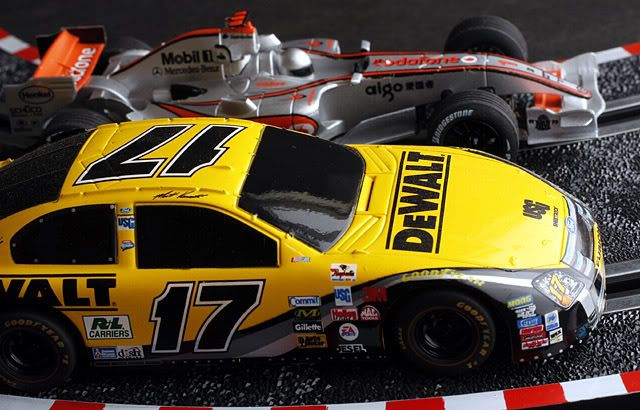
A few days ago my 3 year old son and I got out the SCX F1 Compact set, we had a blast. We set up the track on his small Thomas-the-Tank-Engine-type table. We could only set up a small oval but even with that set up it was evident that there were lots of difference between the F1's that came with the set and the Nascars. The first difference was that the Nascars seemed to slide much easier and didn't accelerate quite as quickly.
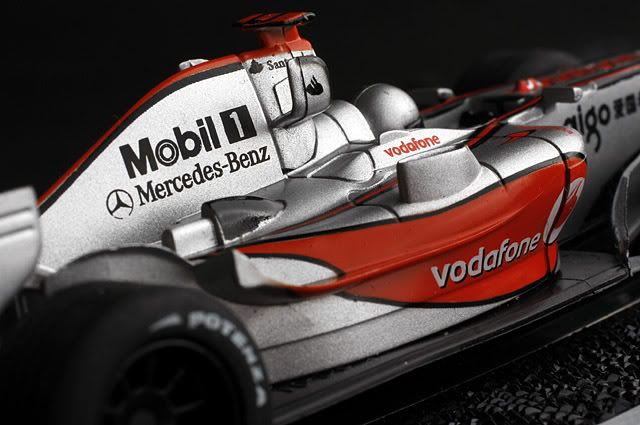
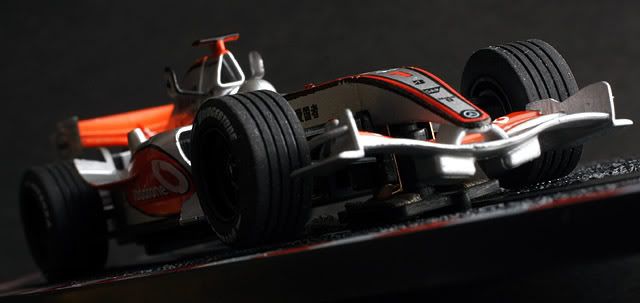
When I first got the F1 set I was impressed by the level of detail in the molding of the F1's. The finish on the McLaren is well done, the printing is good but the reddish bits of printing are a bit too low chromatically speaking... but that's nit picking to be sure.
The F1's have very sticky tires, much stickier than the Nascars. The grooves in the tires may have something to do with the cornering speed of the F1's. Piloting the McLaren, my son was able to pass me within a few laps of the start of the "race." The magnetic pull of the F1's seems to be stronger because they "snapped" down on the track. But with all their speed and ease of cornering, the F1's don't give you much warning when they're going to deslot. The 'Cars always start to slide a bit before letting go...the F1's are off like a shot!
I will be working on a full review of the F1 set soon.

Monday, December 17, 2007

Slot Car 101 - motor lubrication

This is the best time of year...no not Christmas...it's Newbie Season! Every year we get a new crop of fresh faces around the slot car world. They come back to the hobby or are introduced to the hobby because of the homesets that are purchased by well meaning grandparents or parents...or let's face it, spouses!
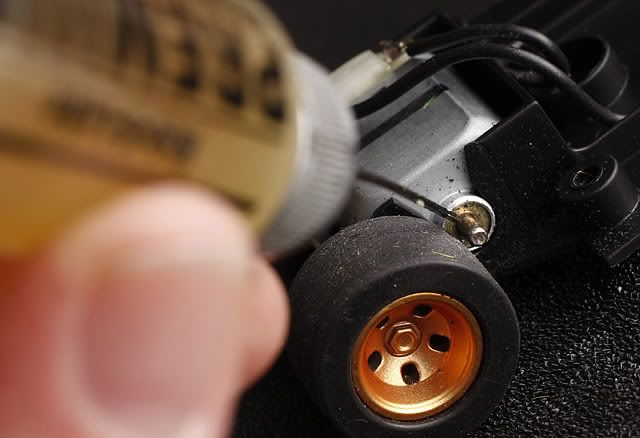
Remember, just a drop...in this photo I put on a bit too much really!

I've been reading over threads on many message boards and I've realized that many newbies don't know the basics of what to do with that brand new slot car sitting in front of them. They get their sets and put them together on the floor of the "bonus room" and away they go. First, DON'T drive it straight out of the box...back away from the track!

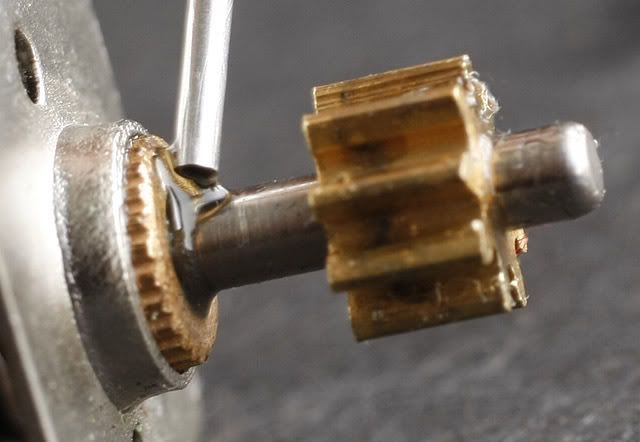
A slot car is much like a real car in a few ways. You wouldn't run a real car without oil in it would you? No, and you should not do this with a slot car. The axle bushings, both in back at the front, need a drop (just a drop) of oil.

The motor needs a drop of oil at each end as well. Some motors (Ninco for example) have a closed end so they cannot be lubed. If you don't put some oil on the motor it WILL seize up after some racing.
Some racers feel the need to oil parts on a chassis that move as well, the motor pod or guide for example. I'm not a huge fan of this because that oil usually spreads out quickly and I really don't think it does anything. If a pod, guide have the proper flex/movement you shouldn't need to do any oiling of these parts. I won't cover that in this article.

After you do this basic oiling you're on the way to do some racing. At this point you could race, but really you need to do just a bit more. We will continue this series.

Dave Kennedy
Publisher, Slot Car News

Sunday, December 16, 2007

Race of Champions-Schumi loses to Ekstrom

Sloter announcement

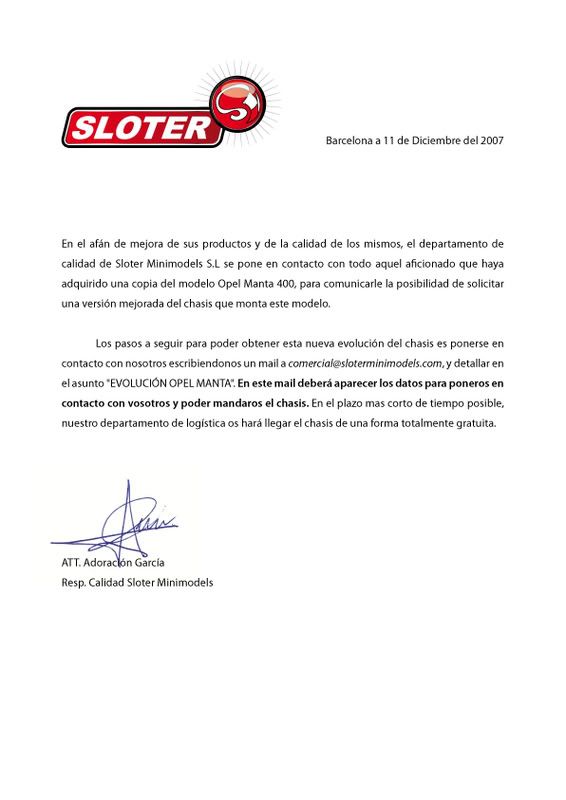
A rough translation from a good friend mine of the following document from Sloter...

In bettering our products and quality the department of quality for Sloter Minimodels S.L. is contacting fans who have a copy of the Opel Manta 400 to communicate to them the possibility of getting a better version of the chassis for that model.

To get on the road to get this new evolution in the chassis, we want you to contact us at commercial@sloterminimodels.com, with the subject field EVOLUCION OPEL MANTA, in this email you should include your contact information so that we can send you the chassis. In as short of period as time possible, our department of logistics will send you a new chassis free of charge.

Saturday, December 15, 2007

Camaro by Carrera

Finally the concept Camaro is here in the US, this photo is from the Carrera site.

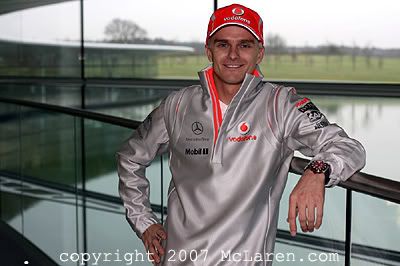
Heikki and Lewis


Friday, December 14, 2007

Franklin Mint 1970 Corvette - Diecast review


Frank has a review of the Franklin Mint 1970 Corvette at this link.

Saturn Astra slot car game

Remember the thrill of racing slot cars? That's how the website copy starts... The Saturn Astra Slot Car game has really very little to do with the car it's trying to promote. The car is clearly aimed at a younger audience, but most slotters I don't think are really in the market for a small, two door American car. The car itself is quite uninteresting looking...like a Ford Focus from maybe 2001 (which was a car I drove for many years, many years ago). But the slot car game itself is a good little time killer game.

Thursday, December 13, 2007

Wednesday, December 12, 2007

"Glasswork" Audi examined

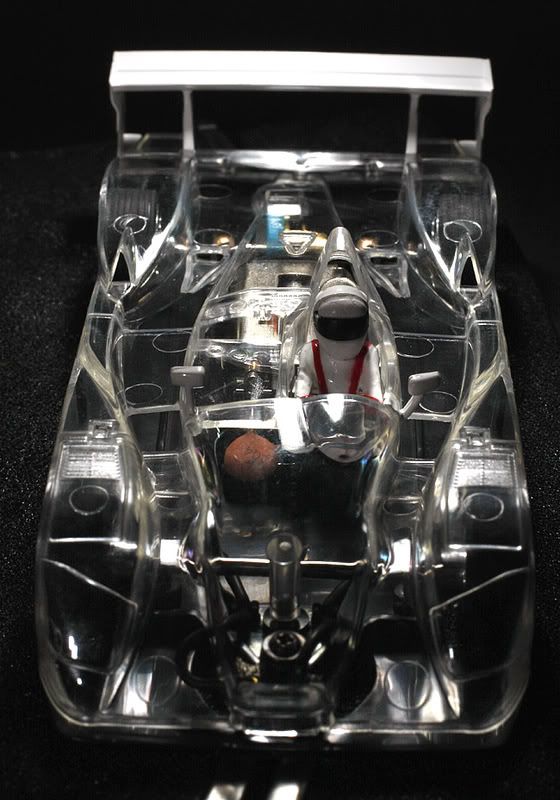
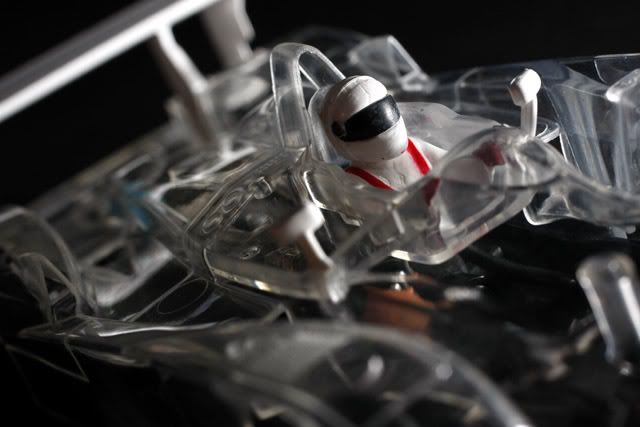
The SCX Glasswork Pro Audi is an interesting car. There aren't many clear hard plastic bodies around. Sure there is a company or two that makes an "X-ray" version but this clear Audi allows us an interesting view of what's going on inside this serious racer. Properly prepared the Pro Audi can stand along side the other top dogs in the slot world...and this one give us a look inside with the body in place. When the car showed up I wondered what exactly I'd do with it. Should I paint it, should I leave it as-is and have it be a shelf queen. But the more I looked at it, the more I thought this car would be useful tool to see exactly various modifications to the chassis effect clearances inside the modified Pro Audi I'm working on.

This is the car with the chassis it came with (meaning not my modified racer).


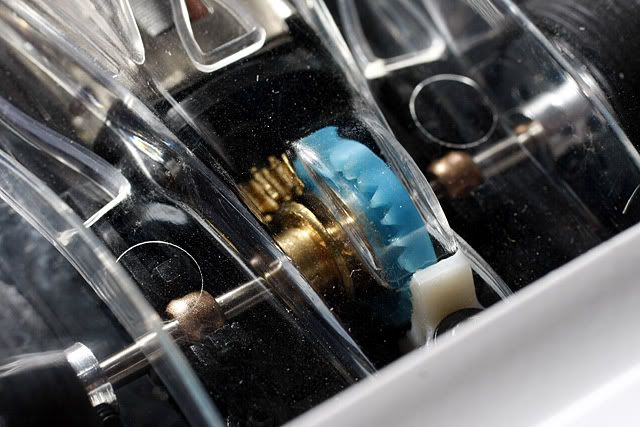
The blue gear has plenty of room around inside the body. The hump seems to give the gear plenty of clearance inside the body as the chassis/body move around.

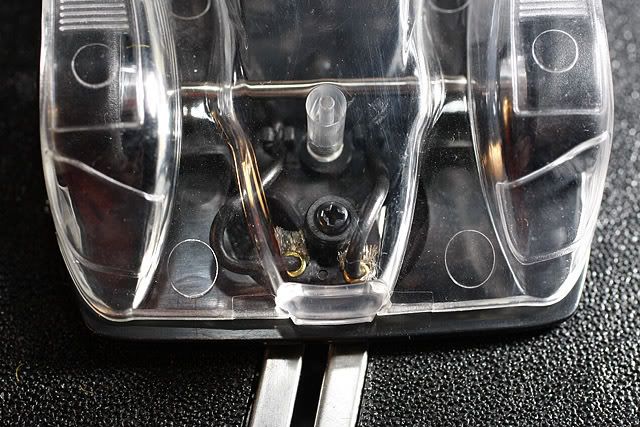
Look inside the nose and you can see that if the guide wires are. I've always had the opinion that the best position for positioning wires would be laying them down to each side. But as you can see from the photo there is plenty of room directly above the guide, which is inside the snout of the car.
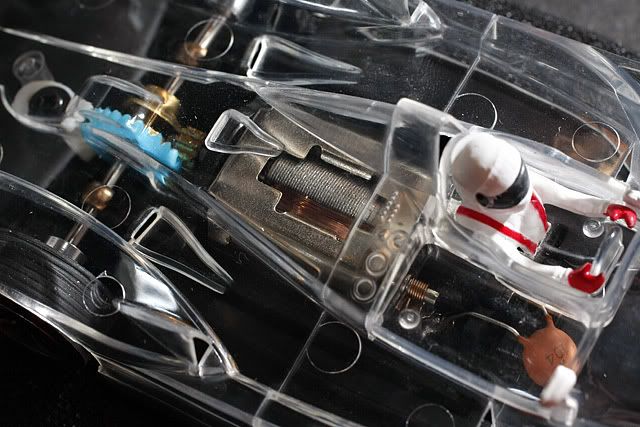
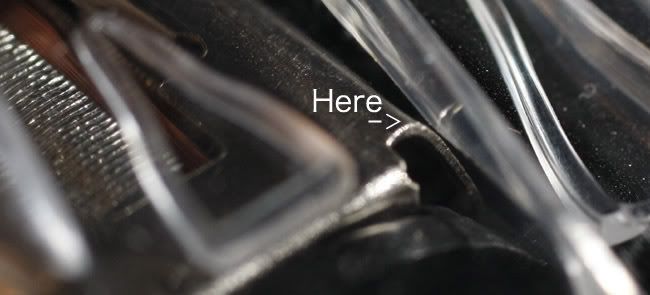
One area that is particularly interesting to be able to see with this model is that the motor nearly makes contact with the body. I've noted on the photo where you can see a slim space between the back edge of the motor (the motor's gear would be at the bottom of the photo but I cut it off to get a closer view of the gap between motor/body) and the body. The Pro car's chassis allows for a good deal of float in the motor pod so I'm certain that the body/motor will be making contact under normal driving. Since the plastic on the Pro Audi's body is relatively thick, some sanding in this area should probably be done.

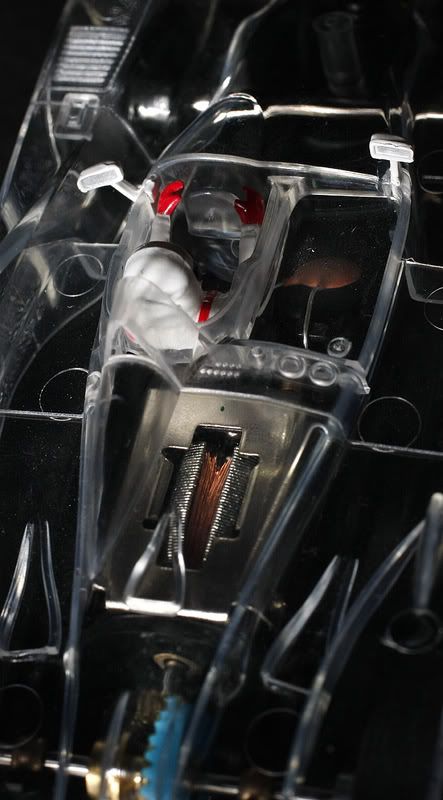
Here you can see the drivers position relative to the motor, I'm sure he hears the roar of the motor while he's lapping the track.

Tuesday, December 11, 2007

SCX Pro Rally - review


Frank has a review of the SCX Pro Rally car at this link.

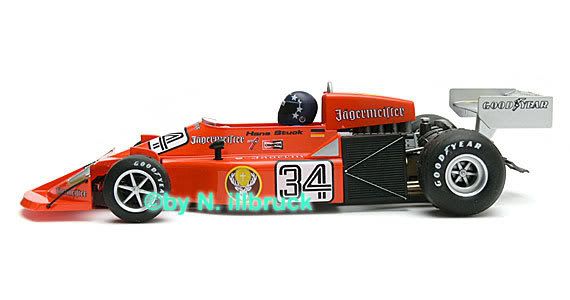
Jager March anyone?

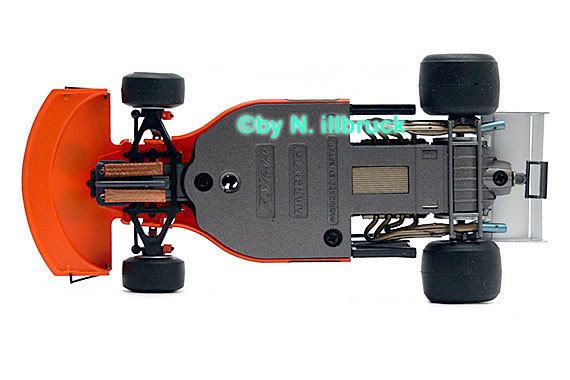
Norbert from Carrera Showroom has graciously allowed SCNews to use a few photos of the new Fly Jagermeister March.

Vielen dank, Norbert!

Monday, December 10, 2007

Alonso back to Renault


Official statement from Renault:

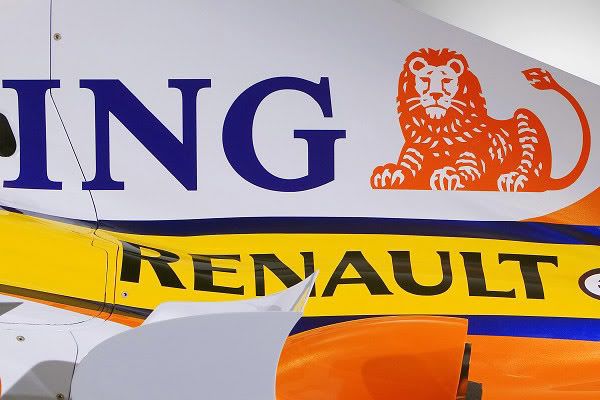
The ING Renault F1 Team is pleased to announce a competitive driver duo for the 2008 Formula 1 season. Next year, double world champion Fernando Alonso will drive alongside Brazilian rookie Nelson Piquet Jr. They will be supported by Frenchman Romain Grosjean, reigning 2007 F3 Euroseries Champion and a product of Renault’s driver development scheme, in the role of test driver.

“Fernando and Nelsinho will form one of the most exciting driver line up of 2008,” commented Renault F1 Team Managing Director Flavio Briatore. “We are delighted to be welcoming Fernando back home to the team where he enjoyed his greatest success. His abilities as a driver and a team leader are well known, and we look forward to forging another strong partnership. What’s more, he knows the team well and how we operate; he will feel comfortable straight away in this environment. Nelsinho is one of the most promising young talents in motorsport. After his success in GP2, he has spent a year learning the ropes as our test driver and getting to know the team ; he is now ready to step up to the next level.”
ING Renault F1 Team President Bernard Rey commented: “The entire team has been working flat out over the past months to return to the front of the field, and a top-line driver line-up is essential to achieving our targets. Our recent technology investments, the return of Fernando Alonso to the team, and the promotion of Nelsinho Piquet, all signal our intent to return to winning ways next year. Renault is also delighted to welcome a talented, young Frenchman to the team as test driver.”

Fernando Alonso rejoins the Renault F1 Team after spending the 2007 season at McLaren-Mercedes. Alonso drove for the Renault F1 Team between 2003 and 2006, during which time he scored 15 Grand Prix victories and won two world championships, in 2005 and 2006. He will play a key role in the team’s efforts to return to the front of the field in 2008.

“I am delighted to be returning to Renault,” commented the 26 year-old Spaniard. “This is the team where I grew up as a driver in Formula 1. Now it is time for us to begin a new chapter together. I am very excited about working with this great team once more, and confident that together we can move back to the front of the field. Renault had a difficult year in 2007, but I know that the team has real strength in depth. I am confident they can produce a fast and competitive car and be back at the top in 2008.”

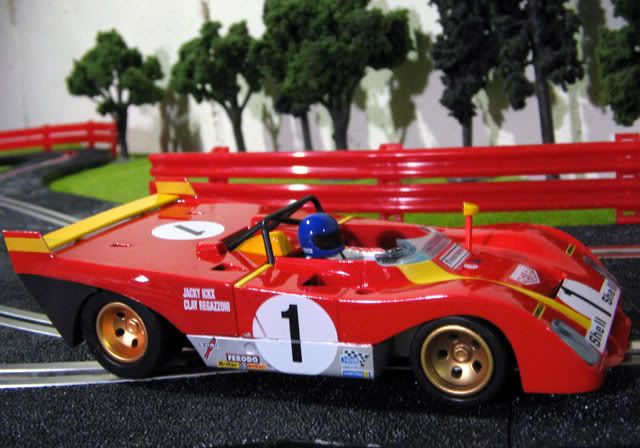
Sloter Ferrari 312-#1 reviewed

Straight forward and exciting. Sloter's cars have given enthusiasts one cool little car after another, adding to that list is the latest 312 Ferrari.

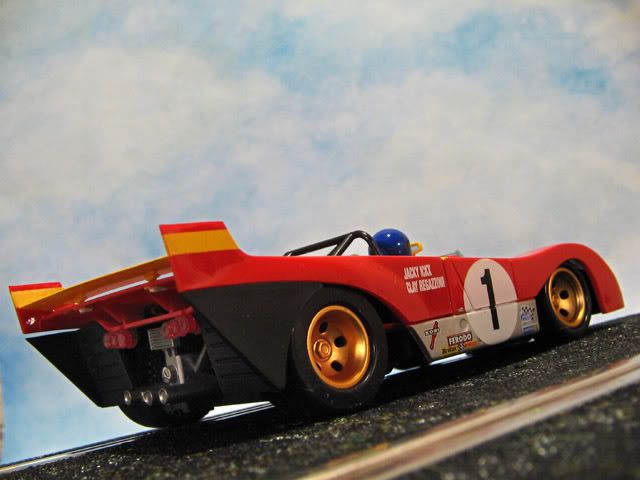
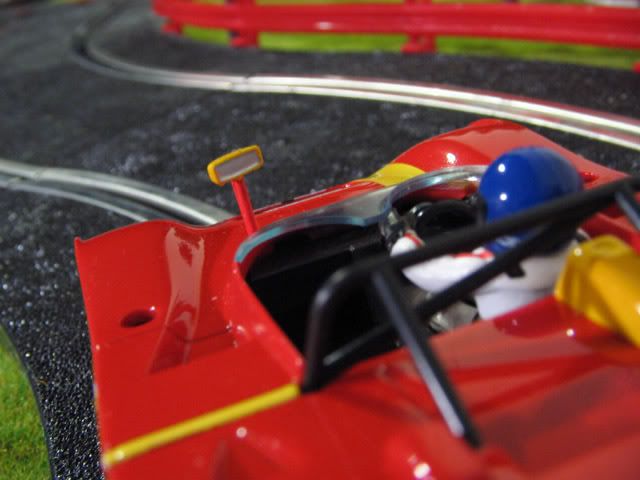
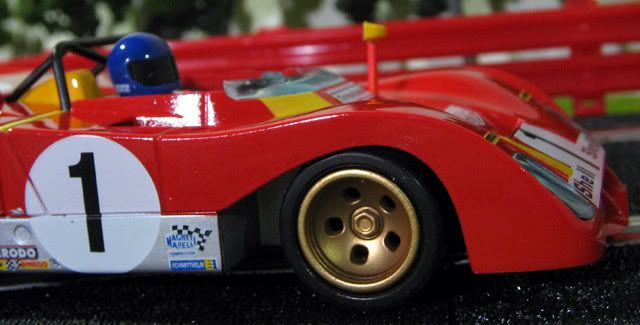
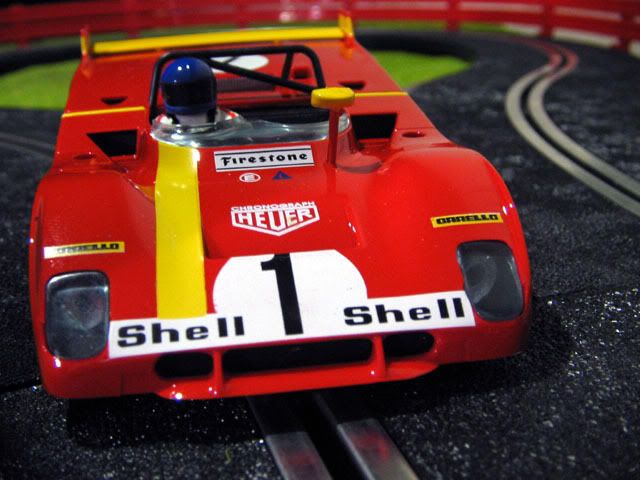
The finish on the car immediately grabs your attention. Bright red with bright yellow striping. All perfectly done, no fading, no runs. There have been many liveries done by Sloter of this car but this may be the best...heck it's "No. 1" after all!

A walk around to the back of the car and we see a well detailed representation of the tail pipes and a very thin horizontal yellow tail wing.

The interior of the car lacks fine detail but gives you a good sense of the cockpit without going overboard with difficult to see (and expensive to reproduce BTW) dash details. The Jacky Ickx driver is less stiff looking than some drivers, which is a subtle detail I'll grant you but it does add to the overall feel of the car. The windscreen on the car is the usual clear/greenish plastic and is nicely done.

Deep dish gold wheels hold those surprisingly sticky Sloter tires.

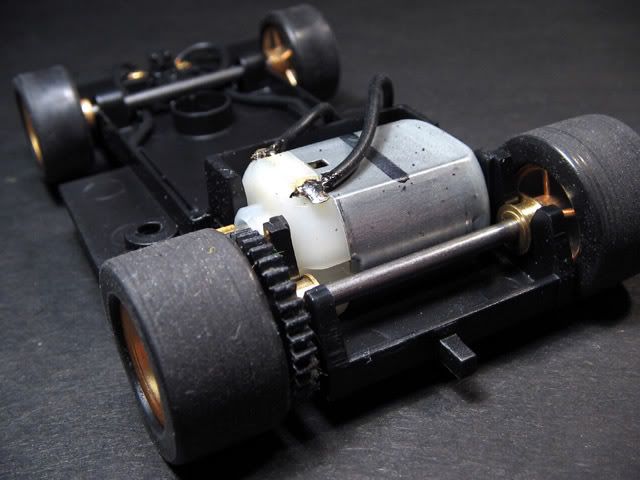
Under the car we see the standard Sloter chassis with it's podless design. Gear mesh is smooth and spins easily when you give it the in you hand "thumb spin". As an aside, this is probably the first thing most slot racers do when they pull the car off the plinth and hold their new slot car for the time. There's nothing like a nice, smooth spin of the back axle is there? A lot can be gotten from this simple "test" of a slot car.
Does the axle spin easily? In this case, yes it does. Do those gears mesh smoothly? Yes, again. Is there sideplay in the axle... well yes, a bit. So there might be a spacer in this slot cars future, just to make sure there's not too much gear noise going around the turns. And in this case the axles are .098"...I just thought I'd throw that in there for reference.

A spin of the front axle and you can tell a lot as well. The axle spins well. The front tires do wobble a bit as do the wheels. There is a fair amount of sideplay on the front axle as well. But not much up and down float, I like this, it tends to make a car more stable in the turns. It would be nice if the car had less sideplay in both front and rear axles.

On the track at East New York Raceway wood track the 63 gram car (which is 2.47" at its widest point...again, just for reference) had some issues making fast laps. We got times for this car in the 6 second range. Which by standards of many other non magnet cars isn't terribly fast. We trued the tires a bit and the car smoothed out a bit but still I feel it would benefit from at least 15 grams of lead.

Sloter cars have quite a following. If you have a Sloter collection I'm thinking that no amount of verbage I or anyone will write really means much to you...you want this car I'm thinking. If you don't have any Sloter cars the Ferrari's have a nice feel to them and they have a very appealing body, and in this case the finish is another reason to grab up the latest Sloter 312.

Dave Kennedy
Publisher, Slot Car News

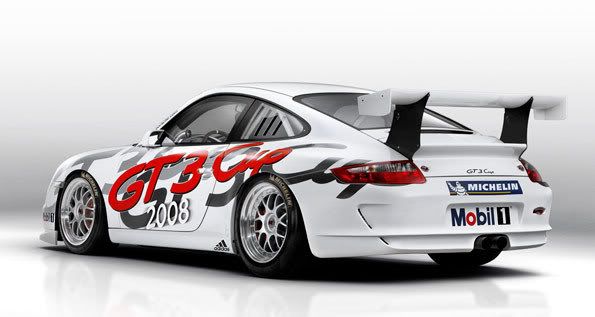
New Porsche 911 (997) Cup car - changes to body

Images used with permission from Porsche Motorsport

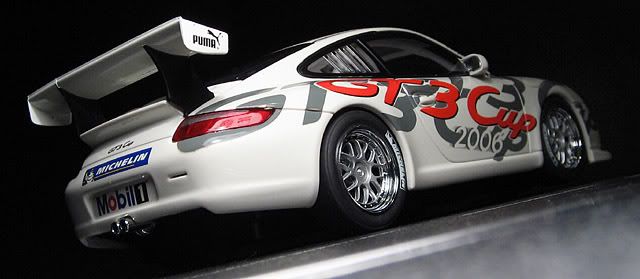
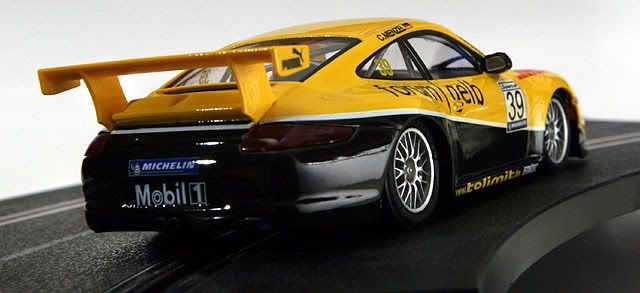
Porsche has made some changes to the 911 (997) GT3 Cup car for 2008. Will these changes be enough to make slot manufacturers change upcoming cars. Probably not since it would involve all new molds. But it does mean that there is a 3 year window of liveries that companies can make.

The AutoArt Cup car to refer to is below:

And the Ninco version:


From Porsche Motorsport:

The new Porsche 911 GT3 Cup is entering the 2008 motorsport season with engine output increased to 420 bhp. The 911 GT3 Cup (997) was developed based on the current 911 generation, which has been gradually and successfully established in the market since the end of 2004.

The most significant modification compared with last year’s model is the new rear end following the design of the production model. Air venting slits ensure better dissipation of heat at the rear. The 3.6-litre six-cylinder boxer engine developed in Weissach is also based on the street-legal GT3 and develops maximum output of 420 bhp, 20 horsepower more than on the previous model. The sequential six-speed transmission with interruption of engine power enables the driver to shift up under full throttle without disengaging the clutch. The transmission itself has been optimised and the gear ratios adjusted to the characteristics of the engine. Weighing 1,150 kg in race trim, the new 911 GT3 Cup has a power-to-weight ratio of 2.7 kg per horsepower.

26 units of the 911 GT3 Cup built for the Porsche Mobil 1 Supercup feature a special exhaust system with an even more striking sound pattern reminiscent of the Formula 1 racing scene as well as PCCB Porsche Ceramic Composite Brakes as exclusive highlights. Compared with conventional brake discs, PCCB reduces unsprung masses by 20 kg and sets new standards in terms of responsiveness, resistance to fading, and a long service life. The racing cars entered worldwide in the Carrera Cup feature a modified exhaust system and steel brake discs.

* monocoque body made of hot-galvanised steel
* aerodynamically optimised front end with front spoiler
* doors with side frames made of CFP and reinforced plastic door panels
* rear lid with adjustable rear wing made of CFP
* rear body panels made of CFP
* air jack
* welded-in rollcage
* bucket-type racing seat (on driver's side only) with flame-resistant seat cover
* six-point seat belt, adapted for use of the HANS Head and Neck Support
* electric fire extinguishing system
* 90 liter fuel tank
* safety bar holding the battery in position
* vehicle weight: approx 1,150 kg (1,130 kg with PCCB)

Sunday, December 09, 2007

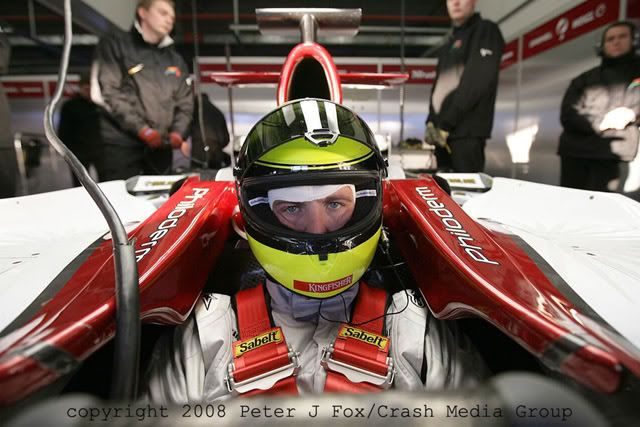
Hang it up Ralf....

Image used with permission Force India F1.com, no reuse.


Carrera Peugeot 908 HDi's

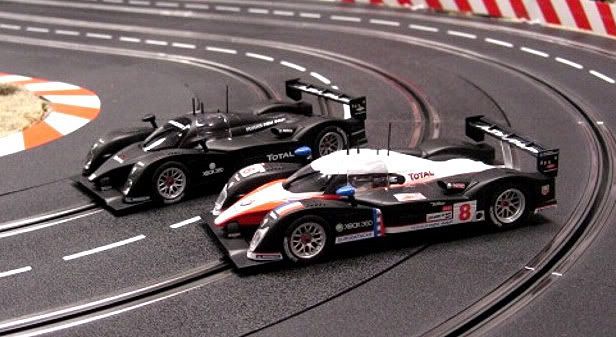
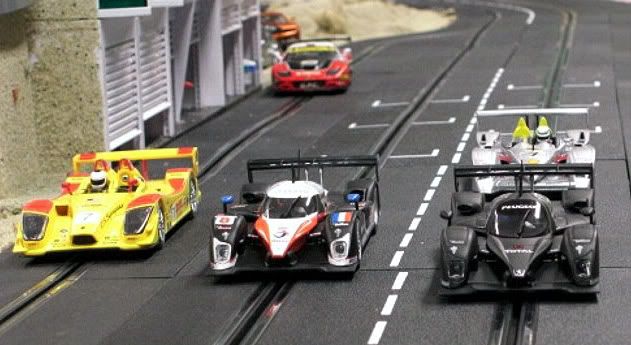
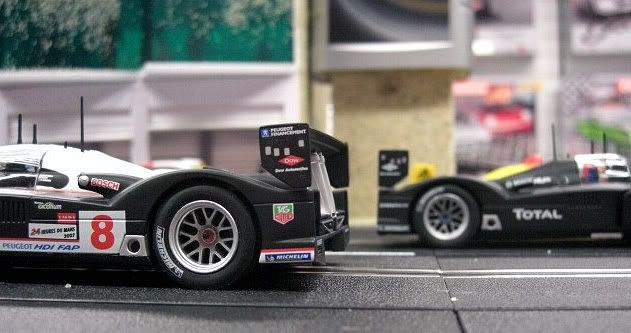
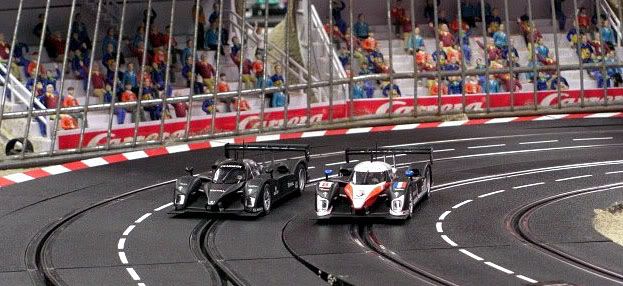
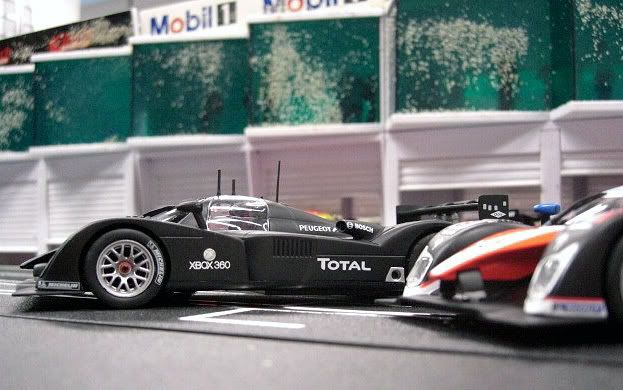
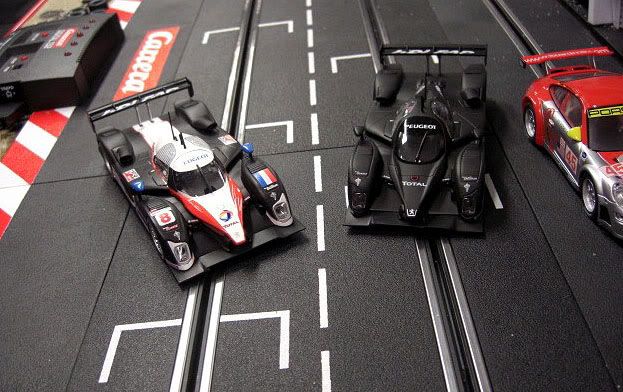
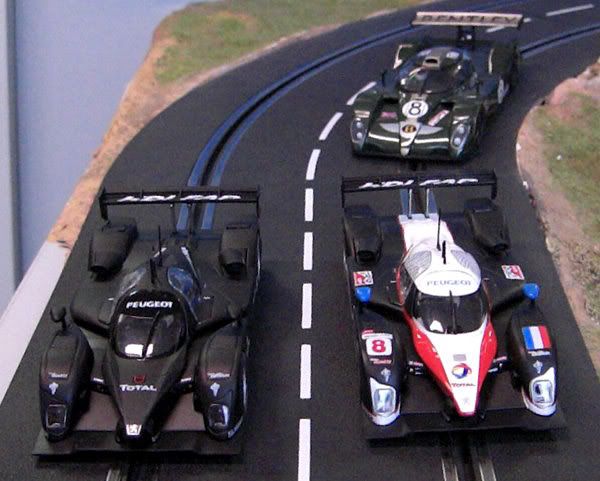
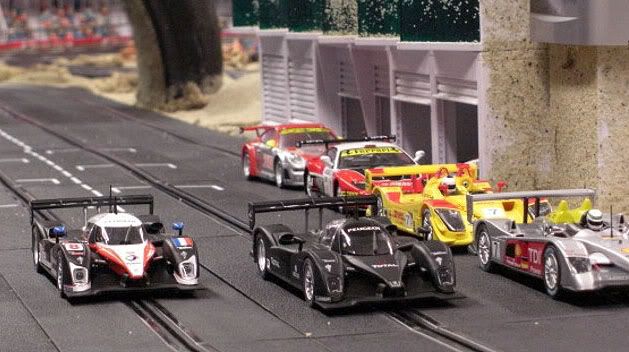
Photos direct from the Carrera home office to show today...a race ready Peugeot and the plain black roll out livery too...looks like it's a Peugeot on every slot track this year.